



Categories
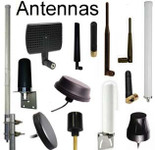
- Antennas > LoRa LoRaWAN Antennas 900 MHz
- Antennas > LTE 4G 5G 3G GSM Cellular MultiBand Antennas > 5G Antennas: 698 MHz to 6GHz
- Antennas > Omni-Directional Antennas: Dipole / Rubber Duck > Dipole Antennas: 900MHz
- Antennas > 412-440MHz Antennas
- Antennas > 850MHz to 950MHz Antennas: Wi-Fi HaLow, Nova, GSM
- Antennas > Antennas By Connector Type > Antennas with RP-SMA connector > 850-950MHz Antennas with RP-SMA connector
- Antenna Cables
- LoRa / LoRaWAN Gear > Fiberglass LoRaWAN Antennas
- Antennas > 2.4GHz WiFi, Bluetooth, BLE, ISM > Bluetooth Antennas
- Antennas > Antennas By Connector Type > Antennas with RP-SMA connector
- LoRa / LoRaWAN Gear > Helium Network Gear > Helium Antennas
- Antennas > GPS Antennas
-
Alternatives to Nova Labs / Helium Network(Post)
Nova Labs/Helium Network Alternatives The demand for wireless networking technologies that are capable of supporting the exponentially rising number of Internet of Things (IoT) devices
Pocv11 and Its Implications for Nova (Helium) Antenna Parameters(Post)PoCV11 Implications: The Nova Labs (Helium Network) Proof of Coverage (PoC) algorithm is due to be updated by October 18th, 2021. This upcoming PoC system is known as PoCv11 and is a si
MIMO Technology in LTE Antennas: Enhancing Mobile Communications(Post)In the rapidly evolving landscape of mobile communications, Multiple Input Multiple Output (MIMO) technology stands out as a cornerstone for enhancing the performance and efficiency of Long-Term Evolu
LMR-200 Cable Specifications Compared to LMR-100(Post)LMR-200 Coax Cable: LMR-200 "Low loss cable" differs from RG58 and other coax standards by double shielding and less attenuation (signal loss in the cable) than the standard cables (e.g. RG58).
Key IoT trends for 2022 and beyond: Distributed Antenna Systems(Post)One of the main challenges encountered in implementing IoT is the diminished penetration of the cellular signal within buildings. Building materials can significantly attenu
AMC RF Connector: Overview and Applications: Amphenol Micro Coaxial(Post)Radio frequency (RF) connectors are an essential component in a wide variety of electronic systems, facilitating the transmission and reception of high-frequency signals. Among the myriad ty
dBm to Watt Conversion Table(Post)Upgrading your antenna, even just a small increment in dBm, makes a HUGE impact on the range of your device: (dbm is logarithmic and mw is linear.) dBm 0
Signal Loss (Attenuation) in LMR-100 & LMR-200 Cables Five to Ten Feet in Length(Post)Signal Loss in LMR100 and LMR200 Coaxial Cables for Antennas Six feet is not too long for the LMR-100 and LMR-100-equivalent cable that we use for shorter antenna cables. However, it is r
MHF4 Connector Locking Mechanism: Understanding the IPEX MHF4L(Post)The IPEX MHF4L locking mechanism for MHF4 cable assemblies has made significant contributions to achieving miniaturization and efficiency - key objectives for designers and manufacturers
Bulkhead Nuts, Washers & O-rings for Type N-Female Connectors Weatherproofing(Post)Bulkhead Nuts, Washers & O-rings for Type N-Female Connectors Weatherproofing Embedded o-rings vs. "loose" (donut shape) o-rings SMA-female | RP-SMA-female | Type N-female | RP-TNC female | T
IoT Wireless Protocol Selection and Frequency Band Characteristics(Post)The Frequency Bands of IoT Wireless IoT (Internet of Things) is a growing network of objects, devices and machines each able to communicate with the other using a wireless network to access the Intern
U.FL Cables Coax Types Compared: 1.13mm, 1.32mm, 1.37mm, RG174, RG178(Post)U.FL Cable Coax Comparison 1.13mm coaxial cable is the most commonly-used coax for U.FL cables - especially short cables. 1.13 is the only coax that can be used with MHF4 cables. When connecting U.FL