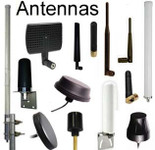
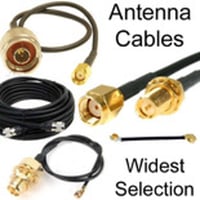


This category includes RF connectors for antenna cables used in a wide range of cellular, LTE, 5G, WiFi, GPS, and IoT wireless systems. These connectors provide the critical electrical and mechanical interface between antennas, coaxial cables, and wireless devices, ensuring consistent impedance, low signal loss, and secure physical attachment.

Proper connector selection is essential for maintaining signal integrity, system reliability, and long-term performance, especially in outdoor and industrial environments. Data Alliance offers the most commonly deployed antenna connector types used across modern RF installations, including SMA, RP-SMA, and N-Type connectors, with both male and female configurations and O-ring and non-O-ring options where applicable.

Purpose of Antenna Cable Connectors

Antenna cable connectors serve multiple essential functions within a wireless system:

  • Establish a controlled impedance connection between components

  • Provide a secure mechanical interface that resists vibration and movement

  • Maintain RF performance by minimizing reflection and insertion loss

  • Protect sensitive connection points from environmental exposure

Even small differences in connector type, gender, or sealing can have a significant impact on system reliability. Selecting the correct connector ensures compatibility with antennas, radios, routers, modems, and access points while avoiding damage or performance degradation.

Connector Types Offered

This category includes the most widely used RF connector families for antenna systems.

SMA Connectors (Male and Female)

SMA (SubMiniature version A) connectors are compact RF connectors commonly used in cellular devices, routers, modems, access points, antennas, and IoT hardware. Their small size makes them ideal for device-level connections and applications where space is limited.

SMA Connector Gender Definition

  • SMA male:

    • Center pin

    • Internal threads

  • SMA female:

    • Center socket

    • External threads

SMA connectors are typically used with low- to mid-frequency RF applications, including LTE, 5G, WiFi, and GPS. They are commonly found on both antennas and radio equipment, making correct gender matching critical.

Because SMA connectors rely on threaded coupling, they provide a secure and repeatable connection that resists loosening due to vibration.

RP-SMA Connectors (Male and Female)

RP-SMA (Reverse Polarity SMA) connectors are mechanically similar to standard SMA connectors but feature reversed center pin gender. They are commonly used in WiFi equipment and consumer wireless devices, particularly to meet regulatory requirements related to antenna attachment.

RP-SMA Connector Gender Definition

  • RP-SMA male:

    • Center socket

    • Internal threads

  • RP-SMA female:

    • Center pin

    • External threads

Although SMA and RP-SMA connectors may appear compatible at first glance, they are not electrically compatible due to the reversed center conductor. Attempting to mate SMA and RP-SMA connectors can result in poor contact, damage, or complete signal loss.

Accurate identification of SMA vs RP-SMA connectors is essential during antenna selection and cable assembly.

N-Type Connectors (Male and Female)

N-Type connectors are larger, more robust RF connectors designed for outdoor, industrial, and higher-power antenna systems. They are widely used in cellular base station antennas, outdoor enclosures, distributed antenna systems, and long coaxial cable runs.

N-Type Connector Gender Definition

  • N-Type male:

    • Center pin

    • External threads

  • N-Type female:

    • Center socket

    • Internal threads

N-Type connectors are known for their mechanical strength, weather resistance, and consistent RF performance. They are particularly well-suited for environments where connectors are exposed to moisture, temperature extremes, or physical stress.

Female Connectors With O-Rings vs Without O-Rings

Female connectors in this category are available in two sealing configurations, allowing installers to select the appropriate level of environmental protection.

Female Connectors With O-Rings

Female connectors equipped with O-rings provide an added layer of protection at the connector interface.

Benefits include:

  • Improved weather resistance

  • Reduced risk of moisture ingress

  • Enhanced protection against corrosion

  • Longer service life in outdoor environments

O-ring connectors are strongly recommended for:

  • Outdoor antenna installations

  • Exposed RF connections

  • Rooftop, tower, or pole-mounted systems

Female Connectors Without O-Rings

Female connectors without O-rings are intended for indoor or protected installations where environmental sealing is not required.

Common use cases include:

  • Inside enclosures or cabinets

  • Device-to-cable connections

  • Indoor antenna systems

Using non-O-ring connectors in appropriate environments avoids unnecessary bulk while maintaining reliable electrical performance.

Common Applications

Connectors in this category are used across a wide range of wireless and RF systems, including:

  • Cellular, LTE, and 5G antenna installations

  • WiFi routers, access points, and bridges

  • GPS and GNSS antenna systems

  • IoT gateways and remote monitoring equipment

  • Industrial wireless networks

  • Commercial and residential antenna systems

These connectors support both indoor and outdoor deployments, depending on connector type and sealing configuration.

Importance of Proper Connector Selection

Selecting the correct antenna cable connector is critical for:

  • Maintaining impedance matching

  • Minimizing signal loss and reflection

  • Preventing mechanical failure

  • Ensuring environmental durability

Incorrect connector selection can result in:

  • Poor RF performance

  • Intermittent connections

  • Premature corrosion

  • Physical damage to equipment

Clear understanding of connector type, gender, and sealing requirements helps ensure reliable system operation.

Data Alliance Quality and Compatibility Focus

Data Alliance provides antenna cable connectors selected for compatibility with modern wireless equipment and antennas. Clear labeling and consistent specifications help installers quickly identify the correct connector for their application, reducing installation errors and downtime.

Summary

This Connectors for Antenna Cables category includes SMA, RP-SMA, and N-Type connectors, available in male and female configurations, with O-ring and non-O-ring options for environmental flexibility. These connectors are essential components for building reliable antenna systems across cellular, WiFi, GPS, and IoT applications.

Choosing the correct connector ensures proper signal transfer, mechanical stability, and long-term system reliability.

Connectors for Antenna Cables

There are no products listed under this category.

This category includes RF connectors for antenna cables used in a wide range of cellular, LTE, 5G, WiFi, GPS, and IoT wireless systems. These connectors provide the critical electrical and mechanical interface between antennas, coaxial cables, and wireless devices, ensuring consistent impedance, low signal loss, and secure physical attachment.

Proper connector selection is essential for maintaining signal integrity, system reliability, and long-term performance, especially in outdoor and industrial environments. Data Alliance offers the most commonly deployed antenna connector types used across modern RF installations, including SMA, RP-SMA, and N-Type connectors, with both male and female configurations and O-ring and non-O-ring options where applicable.

Purpose of Antenna Cable Connectors

Antenna cable connectors serve multiple essential functions within a wireless system:

  • Establish a controlled impedance connection between components

  • Provide a secure mechanical interface that resists vibration and movement

  • Maintain RF performance by minimizing reflection and insertion loss

  • Protect sensitive connection points from environmental exposure

Even small differences in connector type, gender, or sealing can have a significant impact on system reliability. Selecting the correct connector ensures compatibility with antennas, radios, routers, modems, and access points while avoiding damage or performance degradation.

Connector Types Offered

This category includes the most widely used RF connector families for antenna systems.

SMA Connectors (Male and Female)

SMA (SubMiniature version A) connectors are compact RF connectors commonly used in cellular devices, routers, modems, access points, antennas, and IoT hardware. Their small size makes them ideal for device-level connections and applications where space is limited.

SMA Connector Gender Definition

  • SMA male:

    • Center pin

    • Internal threads

  • SMA female:

    • Center socket

    • External threads

SMA connectors are typically used with low- to mid-frequency RF applications, including LTE, 5G, WiFi, and GPS. They are commonly found on both antennas and radio equipment, making correct gender matching critical.

Because SMA connectors rely on threaded coupling, they provide a secure and repeatable connection that resists loosening due to vibration.

RP-SMA Connectors (Male and Female)

RP-SMA (Reverse Polarity SMA) connectors are mechanically similar to standard SMA connectors but feature reversed center pin gender. They are commonly used in WiFi equipment and consumer wireless devices, particularly to meet regulatory requirements related to antenna attachment.

RP-SMA Connector Gender Definition

  • RP-SMA male:

    • Center socket

    • Internal threads

  • RP-SMA female:

    • Center pin

    • External threads

Although SMA and RP-SMA connectors may appear compatible at first glance, they are not electrically compatible due to the reversed center conductor. Attempting to mate SMA and RP-SMA connectors can result in poor contact, damage, or complete signal loss.

Accurate identification of SMA vs RP-SMA connectors is essential during antenna selection and cable assembly.

N-Type Connectors (Male and Female)

N-Type connectors are larger, more robust RF connectors designed for outdoor, industrial, and higher-power antenna systems. They are widely used in cellular base station antennas, outdoor enclosures, distributed antenna systems, and long coaxial cable runs.

N-Type Connector Gender Definition

  • N-Type male:

    • Center pin

    • External threads

  • N-Type female:

    • Center socket

    • Internal threads

N-Type connectors are known for their mechanical strength, weather resistance, and consistent RF performance. They are particularly well-suited for environments where connectors are exposed to moisture, temperature extremes, or physical stress.

Female Connectors With O-Rings vs Without O-Rings

Female connectors in this category are available in two sealing configurations, allowing installers to select the appropriate level of environmental protection.

Female Connectors With O-Rings

Female connectors equipped with O-rings provide an added layer of protection at the connector interface.

Benefits include:

  • Improved weather resistance

  • Reduced risk of moisture ingress

  • Enhanced protection against corrosion

  • Longer service life in outdoor environments

O-ring connectors are strongly recommended for:

  • Outdoor antenna installations

  • Exposed RF connections

  • Rooftop, tower, or pole-mounted systems

Female Connectors Without O-Rings

Female connectors without O-rings are intended for indoor or protected installations where environmental sealing is not required.

Common use cases include:

  • Inside enclosures or cabinets

  • Device-to-cable connections

  • Indoor antenna systems

Using non-O-ring connectors in appropriate environments avoids unnecessary bulk while maintaining reliable electrical performance.

Common Applications

Connectors in this category are used across a wide range of wireless and RF systems, including:

  • Cellular, LTE, and 5G antenna installations

  • WiFi routers, access points, and bridges

  • GPS and GNSS antenna systems

  • IoT gateways and remote monitoring equipment

  • Industrial wireless networks

  • Commercial and residential antenna systems

These connectors support both indoor and outdoor deployments, depending on connector type and sealing configuration.

Importance of Proper Connector Selection

Selecting the correct antenna cable connector is critical for:

  • Maintaining impedance matching

  • Minimizing signal loss and reflection

  • Preventing mechanical failure

  • Ensuring environmental durability

Incorrect connector selection can result in:

  • Poor RF performance

  • Intermittent connections

  • Premature corrosion

  • Physical damage to equipment

Clear understanding of connector type, gender, and sealing requirements helps ensure reliable system operation.

Data Alliance Quality and Compatibility Focus

Data Alliance provides antenna cable connectors selected for compatibility with modern wireless equipment and antennas. Clear labeling and consistent specifications help installers quickly identify the correct connector for their application, reducing installation errors and downtime.

Summary

This Connectors for Antenna Cables category includes SMA, RP-SMA, and N-Type connectors, available in male and female configurations, with O-ring and non-O-ring options for environmental flexibility. These connectors are essential components for building reliable antenna systems across cellular, WiFi, GPS, and IoT applications.

Choosing the correct connector ensures proper signal transfer, mechanical stability, and long-term system reliability.